



Whitepaper
HRSG Inspections - The Key to Reliability
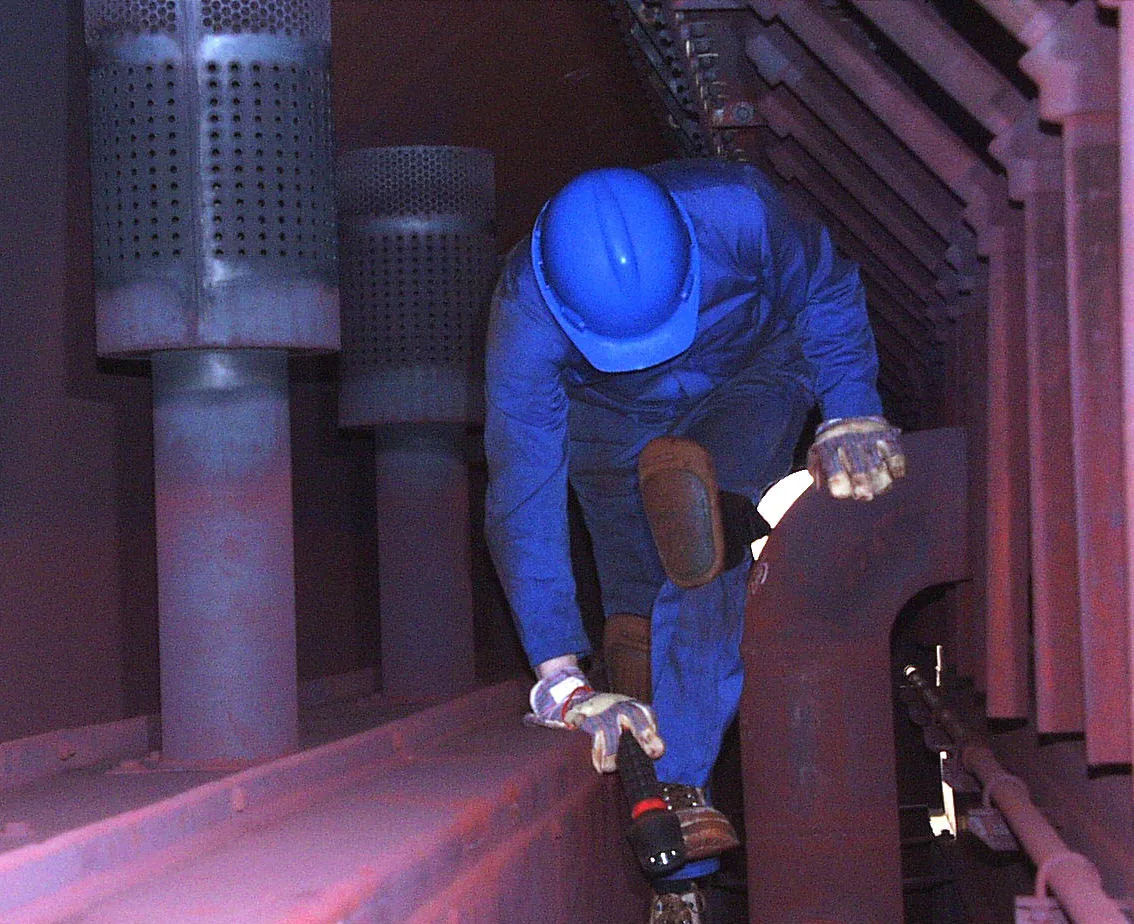
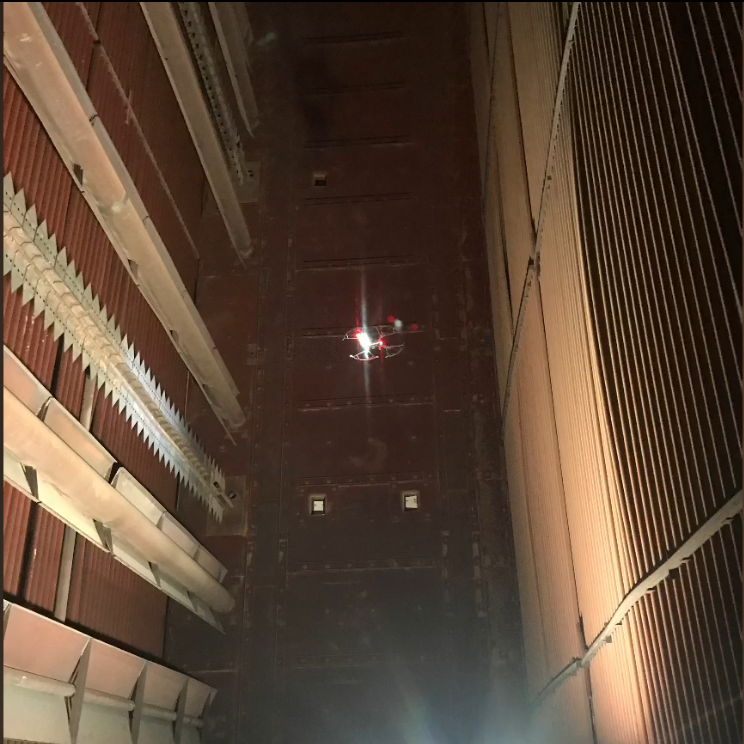
Inspection is part of routine maintenance for any Heat Recovery Steam Generator (HRSG). Visual inspectio...


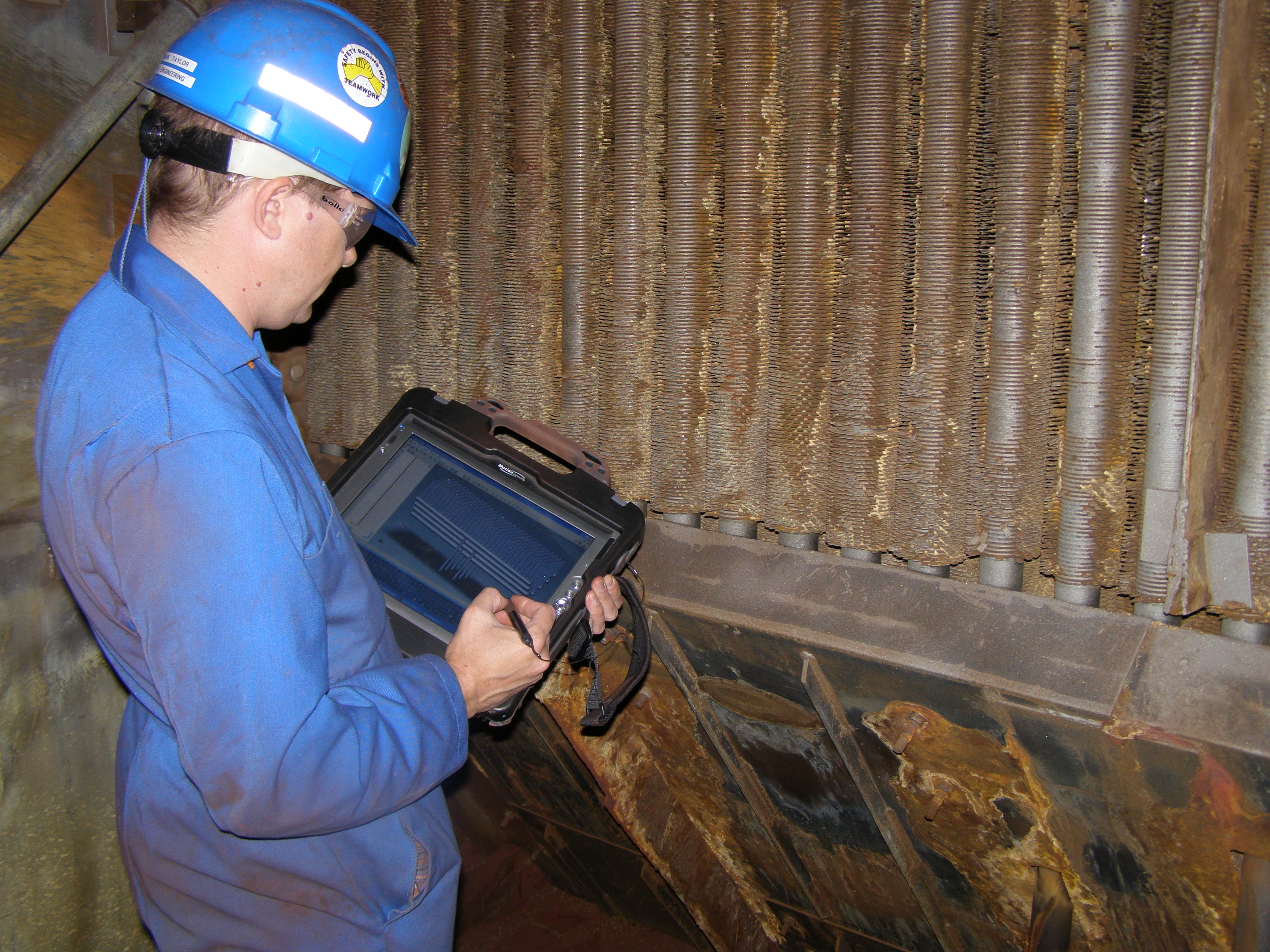
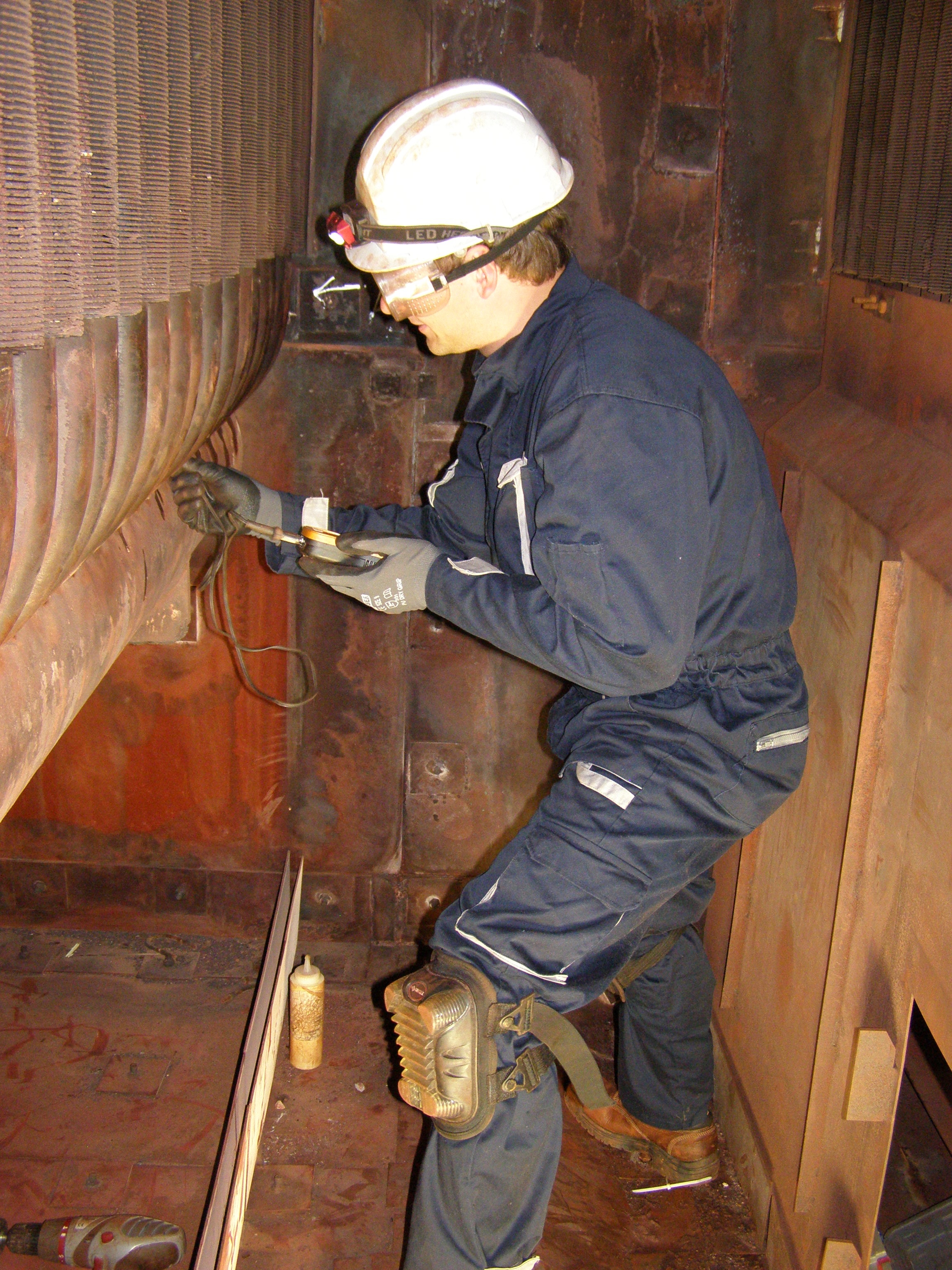
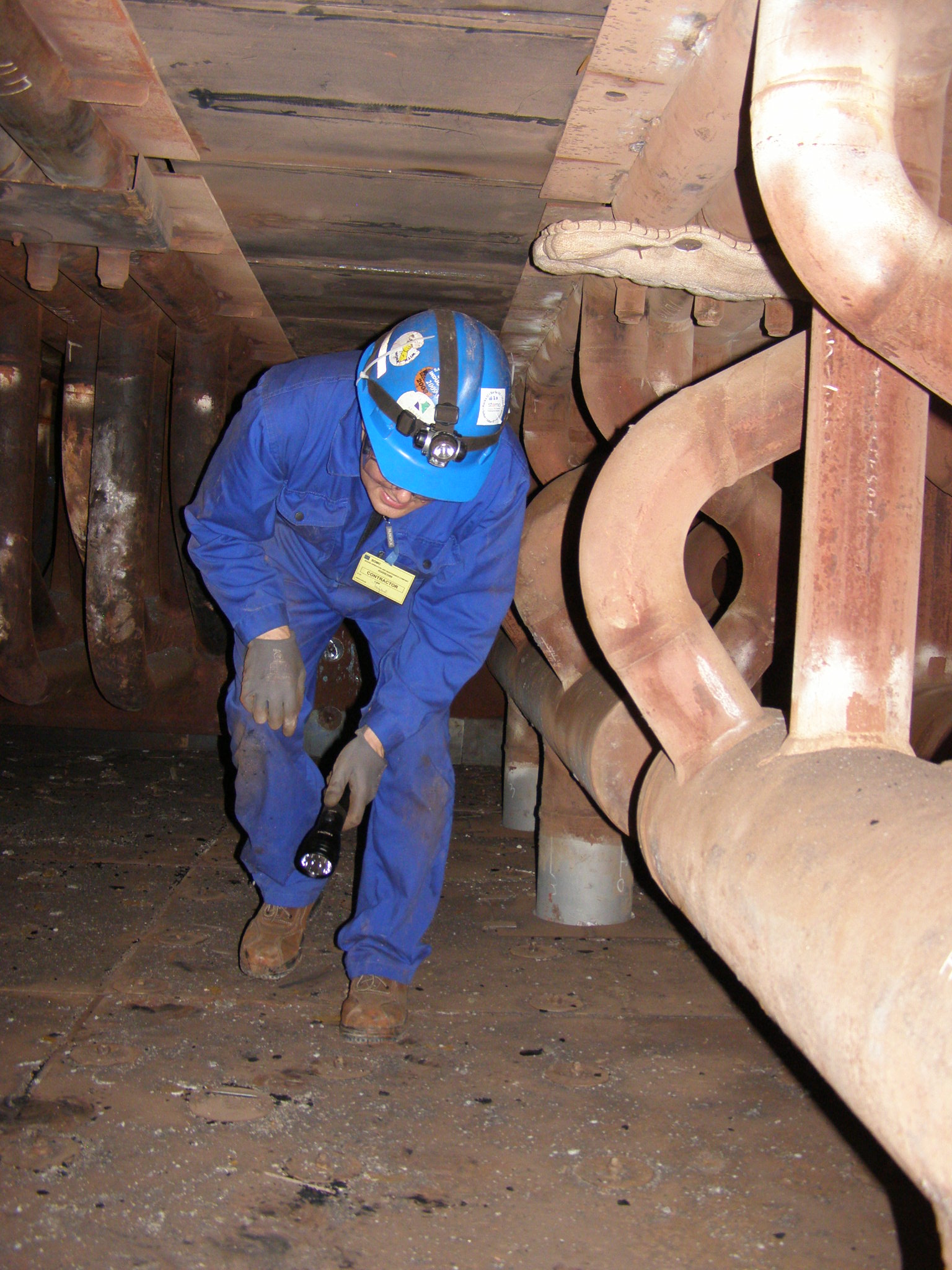
HRSG & Boiler offline, or cold, inspections are a core O&M activity for thermal power and process plants. Only during a shutdown can internal pressure parts and high‑risk components be accessed and assessed in detail. Forced outages are costly, which makes early detection of service‑related damage essential. Regulatory and insurer requirements often mandate periodic inspections, yet minimum compliance may not reflect the true risk profile of a specific unit.
Modern duty cycles increase the need for rigorous offline inspections. Units that were originally designed for baseload are now started and stopped more frequently, which elevates thermal stresses and accelerates damage mechanisms such as creep, fatigue, corrosion fatigue, and FAC. A planned, risk‑based offline inspection provides the information needed to prevent repeat leaks, prioritize repairs, and schedule targeted NDE where it will have the greatest impact.
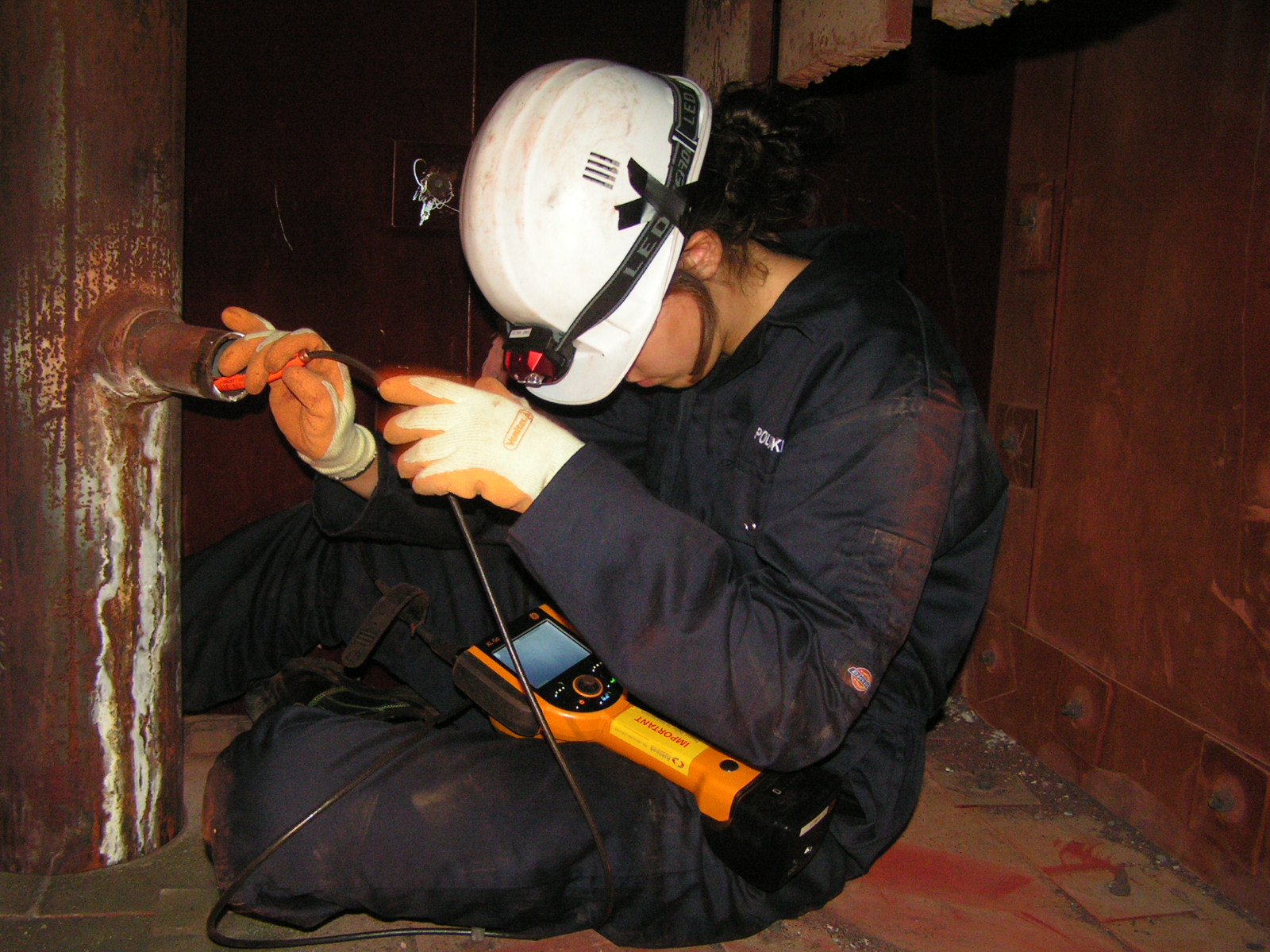
Tetra Engineering delivers independent, engineering‑driven inspections backed by over 35 years of experience and 1000s of HRSG inspections worldwide. We do not sell hardware, which keeps our recommendations objective and focused on asset integrity and outage readiness.
Our inspectors combine extensive field experience with Root Cause Analysis (RCA) and Remaining Life Analysis (RLA), ensuring that indications are connected directly to likely damage mechanisms and root causes. We align inspection scope with unit design, duty cycle, age, and operating history. Pre‑outage planning ensures access and safety prerequisites are in place, reducing rework and lost time. During execution, we communicate findings promptly, quantify risk where possible, and close out with prioritized, practical recommendations.
Your outage team needs decisions, not just observations. Deliverables typically include:
If needed, findings can feed directly into Root Cause Analysis (RCA) and Remaining Life / Integrity Assessments.
Stay up to date and refer to our large collection of technical white papers and articles

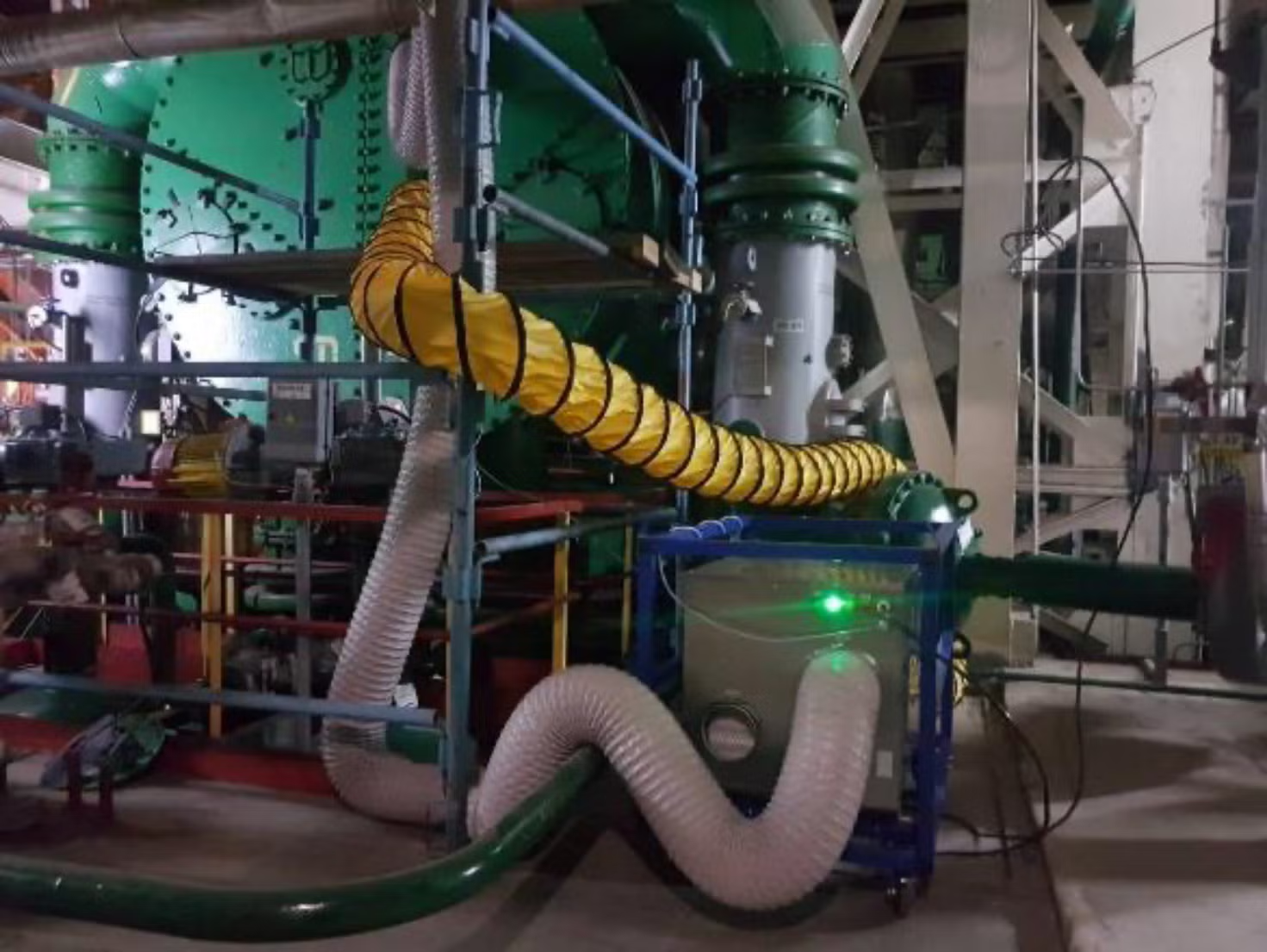
Idle periods are getting longer as plants move to cycling or standby, and corrosion during layup can do serious damage. Pitting can penetrate a tube wall in a few weeks. In the October 2026 issue of Modern Power Systems, Misha Gadher and James Malloy of Tetra Engineering Europe compare five preservation methods and show how one coastal combined cycle plant matched each method to each system for a six-month shutdown.

