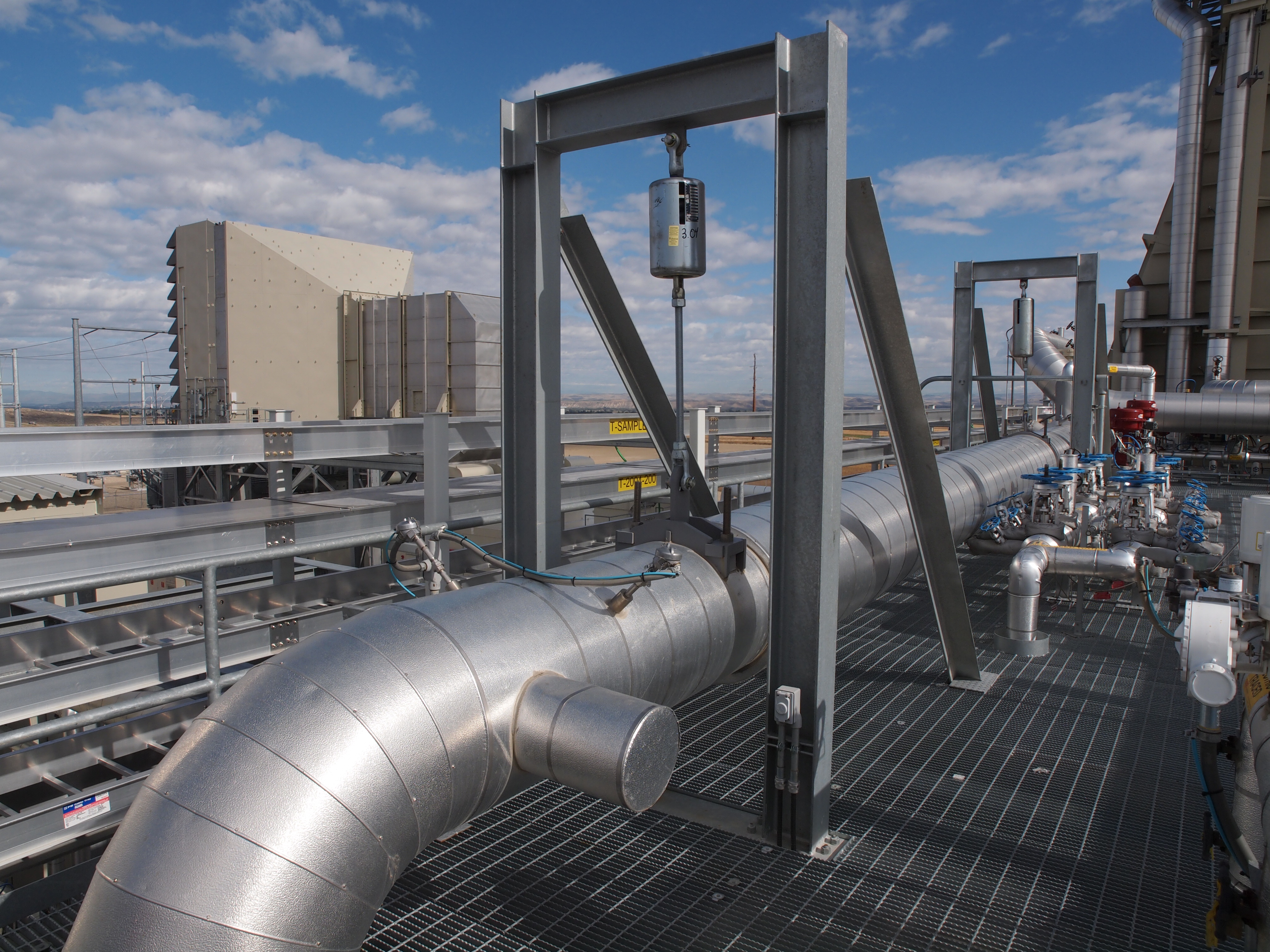
At Tetra Engineering, we understand the importance of regular inspections in maintaining the safety, reliability, and efficiency of your power piping systems. Our comprehensive inspection services are designed to detect potential damage early, ensuring your plant operates smoothly and profitably.
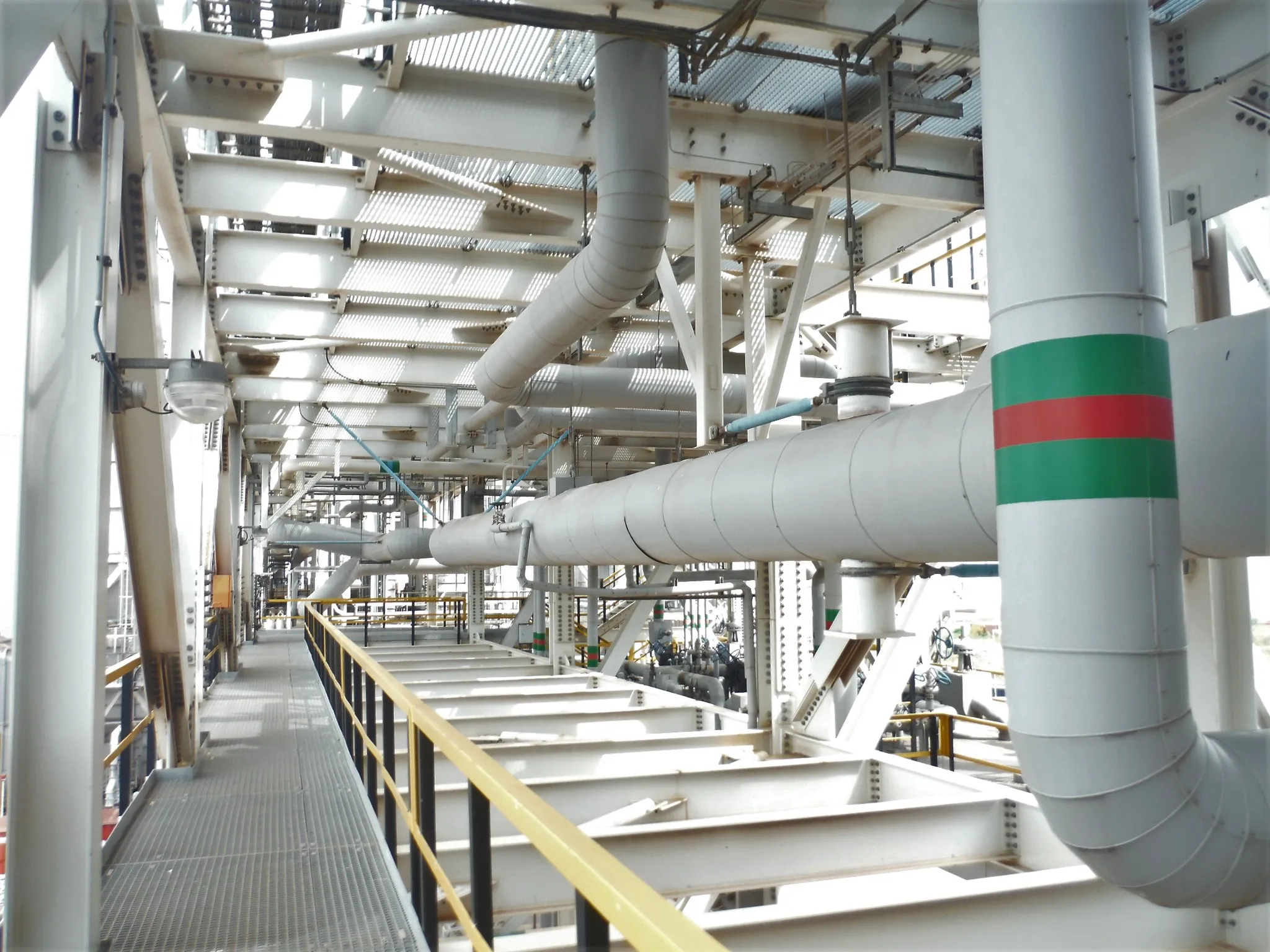
Covered Piping Systems (CPS) are a critical element in assuring safe and reliable operations of power plant piping in steam power plants and other systems designed to the ASME Code for Pressure Piping, B31. CPS was defined in late 2008 by ASME as the number of independently owned power plants (as compared with similar plants owned by regulated utilities) was rapidly increasing.
Unlike other components such as boilers/HRSGs, steam turbines, or gas turbines, piping is distributed over a large area, comprised of many subcomponents, installed and welded on-site, with a design generally customized for each plant. Depending on its function, piping is susceptible to various damage mechanisms, including:
Performing periodic inspections (visual & NDE) is crucial for prolonging the safety, reliability, efficiency, and profitability of power piping systems. A key objective is the targeted and judicious use of inspection resources to detect damage in plant piping systems. Although the focus is on large-bore piping, the overall condition of the piping including smaller bore lines should also be verified.
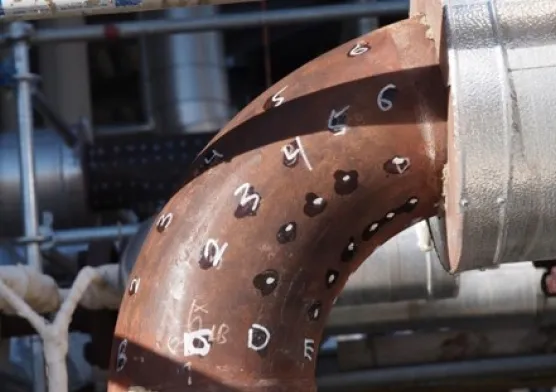
CPS Programs
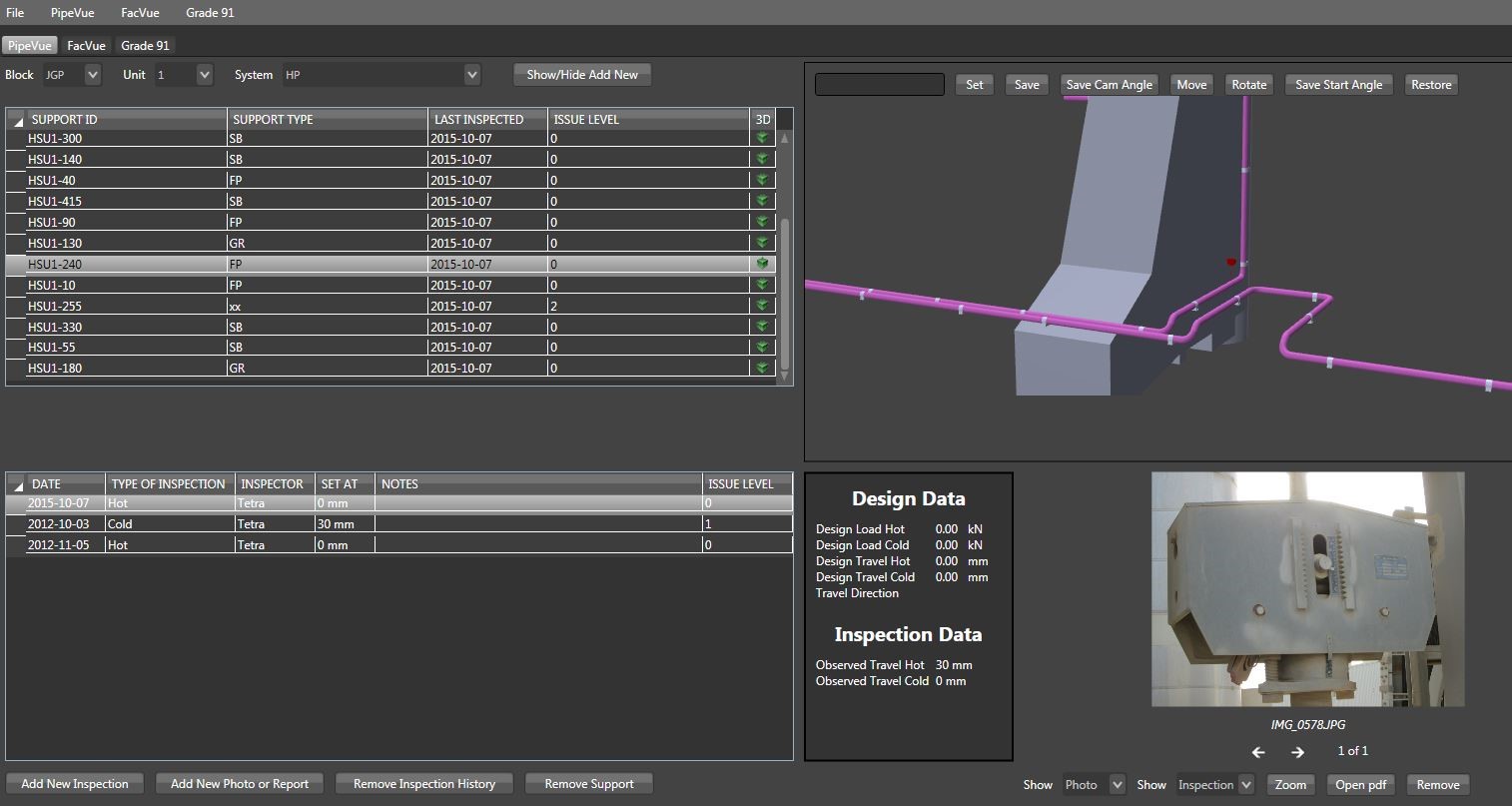
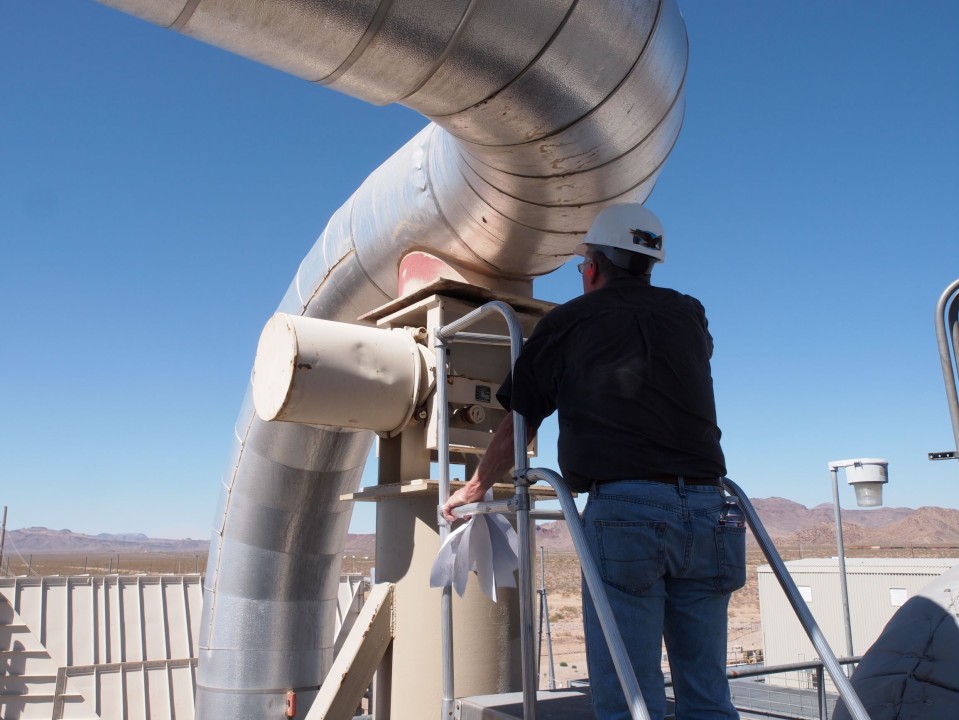
CPS Hanger Inspection:
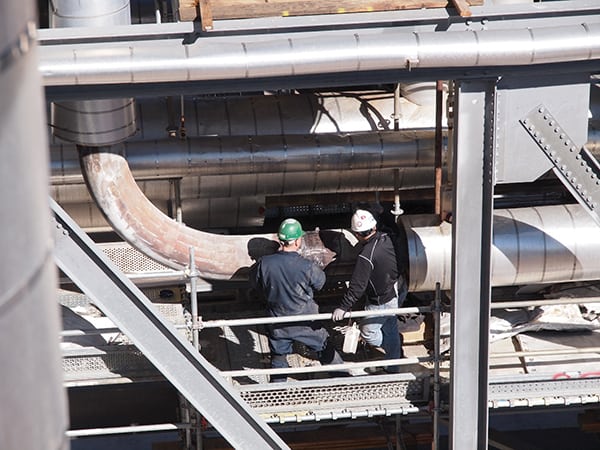
Non-Destructive Examination (NDE) Plan:
All of our inspections are summarised in a detailed report with photos, analysis, and recommended actions.
Ready to ensure the safety and efficiency of your piping systems? Contact us today to schedule an inspection or learn more about our services.
Stay up to date and refer to our large collection of technical white papers and articles
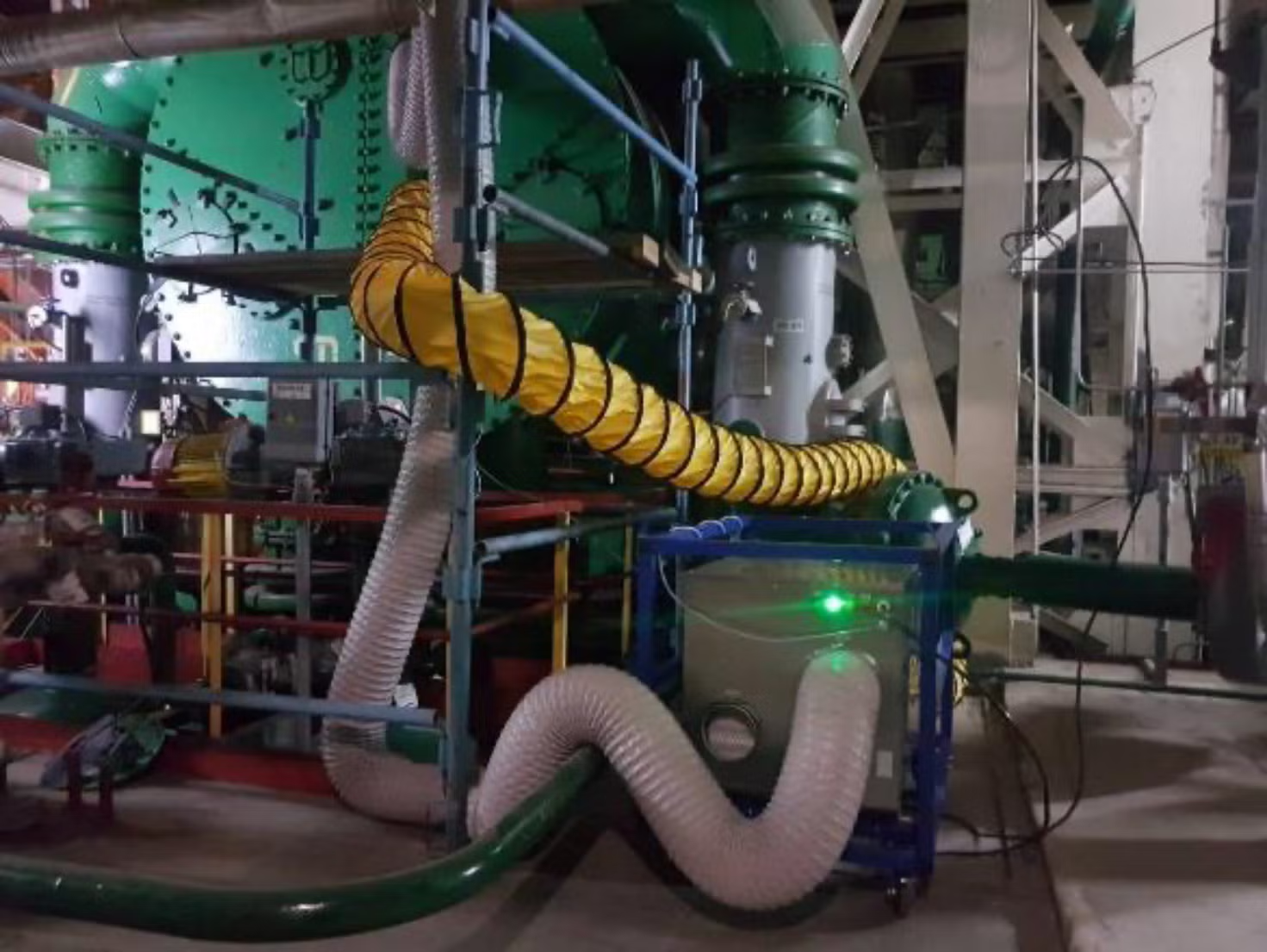
Idle periods are getting longer as plants move to cycling or standby, and corrosion during layup can do serious damage. Pitting can penetrate a tube wall in a few weeks. In the October 2026 issue of Modern Power Systems, Misha Gadher and James Malloy of Tetra Engineering Europe compare five preservation methods and show how one coastal combined cycle plant matched each method to each system for a six-month shutdown.